|
Dear ATENA Friends,
We’re thrilled to bring you the latest news from the ATENA world!
A brand-new ATENA 2026 is on its way — scheduled for release at the beginning of next year. Building on the success of ATENA 2025, this next-generation version comes packed with exciting new features and major enhancements. The two headline innovations are Dynamics and 3D Printing – now you can combine statics and dynamics seamlessly within a single environment!
Make sure your ATENA maintenance license is up to date so you can start using ATENA 2026 as soon as it’s released and take full advantage of these groundbreaking capabilities.
We believe ATENA 2026 will become your most powerful tool yet for advanced concrete modeling and simulation. We also look forward to meeting you and your colleagues at upcoming international events later this year and in 2026!
With warm regards from Prague,
Your ATENA Team |
ATENA Development
|
Throughout the last year we have released several updates of ATENA 2025. The latest update ATENA2025y has been released on November 12th including mainly various improvements and problem corrections.
The new ATENA 2025 can be downloaded from the downloads section on our website. Users with valid maintenance support can download and use it immediately. If you are not sure about the status of your subscription license or maintenance, please do not hesitate to contact us by email or phone.
The new users can install the software as well and request a 30 day totally free and fully functional trial license directly from the ATENA Center interface after the installation.
|
|
ATENA 2025 Engineering Preprocessor New Features Overview:
Here is a list of new features in ATENA 2025:
- Thermal & Moisture Analysis: Simulate concrete hydration and its effect on crack development, and analyze high-temperature fire loading on reinforced concrete structures.
- Enhanced BIM Integration: Direct import of IFC files for smoother Building Information Modeling workflows.
- Advanced Python Scripting: Create user-defined methods for full model development of specialized structural elements or problems. Includes a dedicated interface for simplified temperature-development modeling during concrete hydration.
|
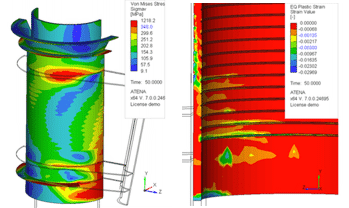
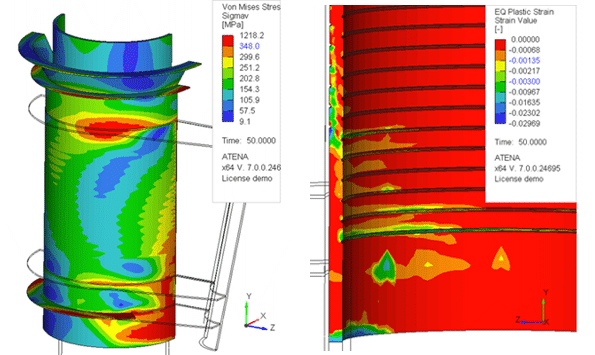
Fig.1: Von Mises stresses in the steel parts and concrete crushing in the grout at the ultimate connection capacity.
|
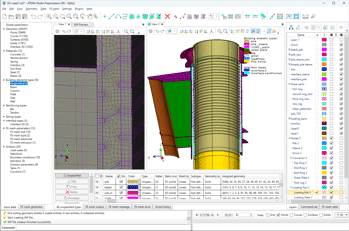
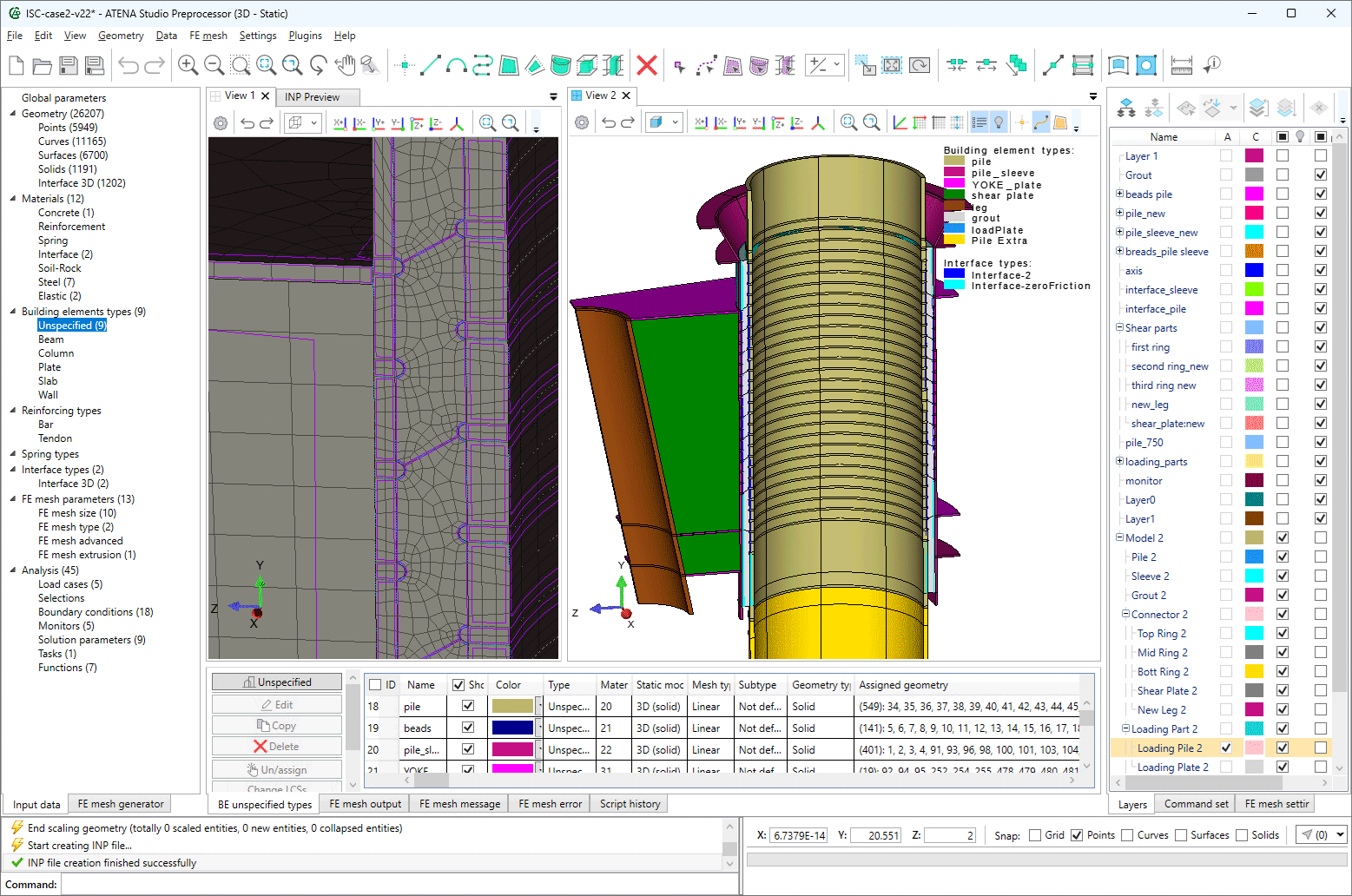
Fig.2: Modelling of wind tower grouted connection in ATENA 2025 pre-processor with Von Mises material for steel, fracture-plastic for grout and frictional interfaces.
|
- Automatic Interface Identification: Effortlessly develop complex models with internal contacts and interfaces.
- New import of DXF data format.
- Stability & Usability Enhancements: Numerous refinements for a more stable and user-friendly experience.
ATENA Studio & FE Analysis Core Overview:
- True-Shape Visualization: Accurately display the real 3D geometry of 1D beam and 2D shell elements.
- Quadrilateral Spring Elements: Easily model flexible planar supports.
- Enhanced Reporting: Export internal force diagrams directly to automated reports or CSV files for further processing in Excel.
|
ATENA 2026
A major update ATENA 2026 will be prepared for you at the beginning of next year. This update continues various improvements and new development in the new native Engineering preprocessor. Our main ultimate objective is to unite our two ATENA products: Engineering and Science into a single user friendly and comfortable environment covering all your needs for the realistic simulation and modelling of reinforced concrete structures. |
|
New Features in ATENA Engineering:
-
Dynamic analysis will be a new module allowing to prepare models in ATENA native user environment. This means ATENA Engineering preprocessor will support Statics, Transport as well as Dynamic analysis.
- Support for modelling and data preparation for the simulation of 3D concrete printing. The unique feature in ATENA is the integrated model development and simulation control directly from G_code files. G_code file is the native data format used by most 3D concrete printers for programming the movement of the printing head and for controlling the overall printing process.
|
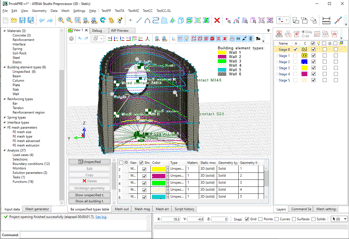
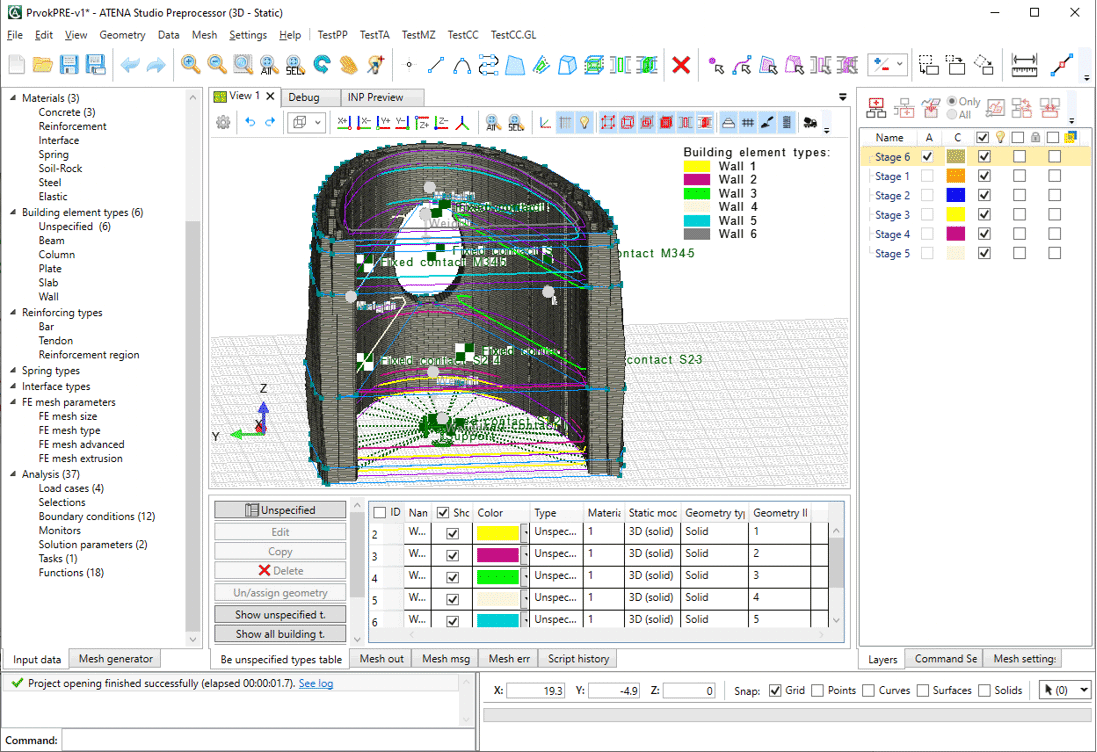
Fig.3: ATENA model of 3D printed concrete structure can be directly generated and controled by "g_code" data format.
|
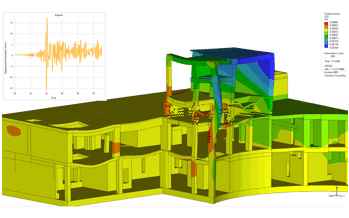
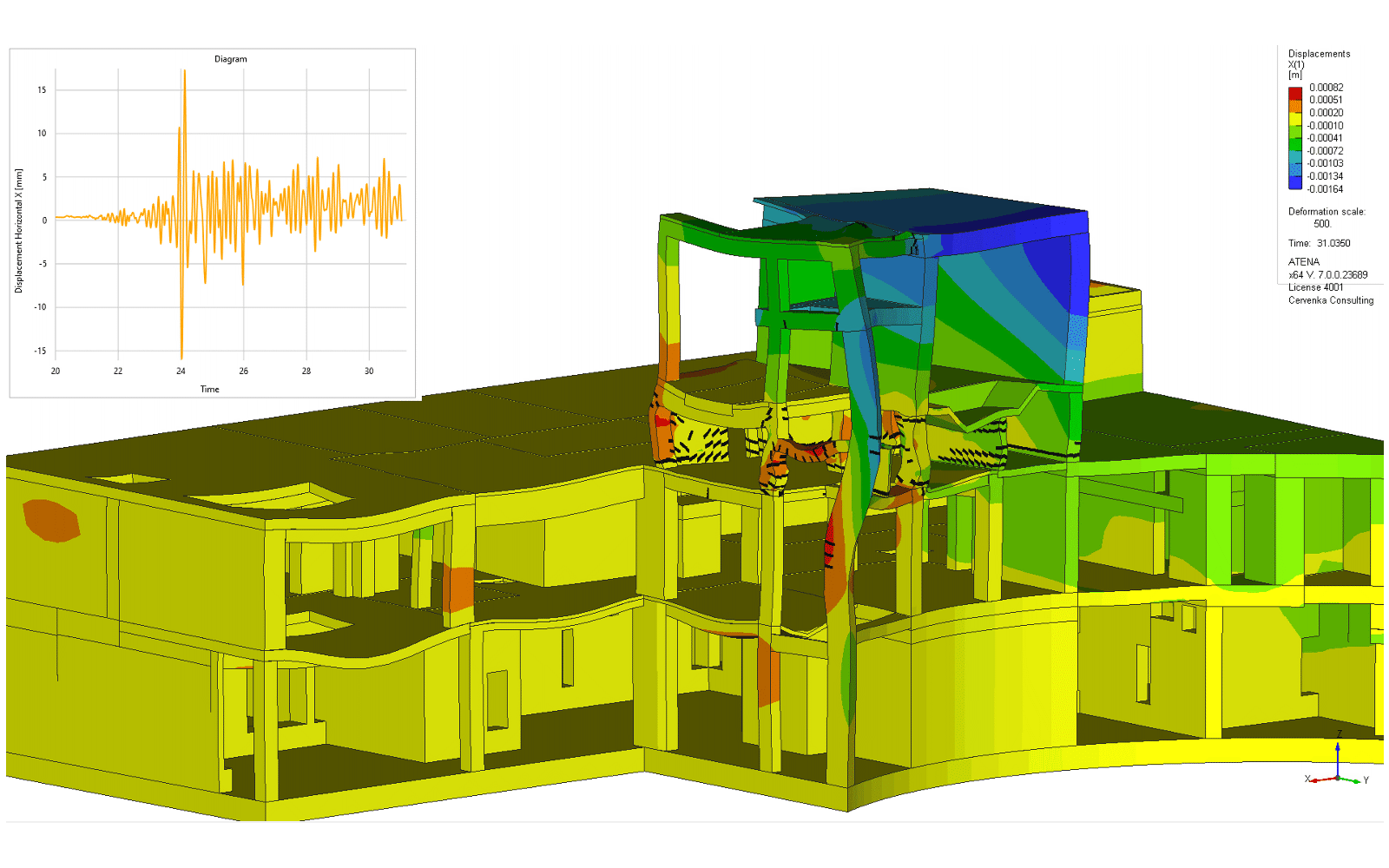
Fig.4: Dynamic analysis modelling and input data preparation is available also in ATENA Engineering 2026.
|
- Miscellaneous preprocessor improvements such as:
- enhanced and improved scripting support for parametric modelling,
- enhanced support for Python user module programming,
- simplified generation of interfaces and their properties,
- improvement and enhancement of geometry modelling features: new collapse options,
- enhanced control of fixed contact connections for more robust generation of master/slave contacts,
- improvements and bug fixes in non-planar geometries,
- support for surfaces and volumes with openings and voids,
- IFC and DXF import improvements.
|
|
New Features in ATENA Science and ATENA FE core:
- New quadratic tetrahedral elements with standard nodal numbering,
- New pyramid isoparametric elements for improved compatibility,
- Stability improvement of fracture-plastic concrete material model,
- Possibility to use different times in coupled creep and transport analyses,
- New interface to ANSYS software user material for ATENA fracture-plastic concrete material,
- Removed problems with huge binary files sometimes generated in coupled thermal-static analyses,
- Miscellaneous minor improvements and bug fixes.
|
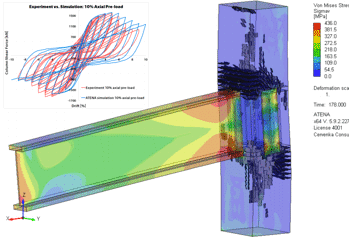
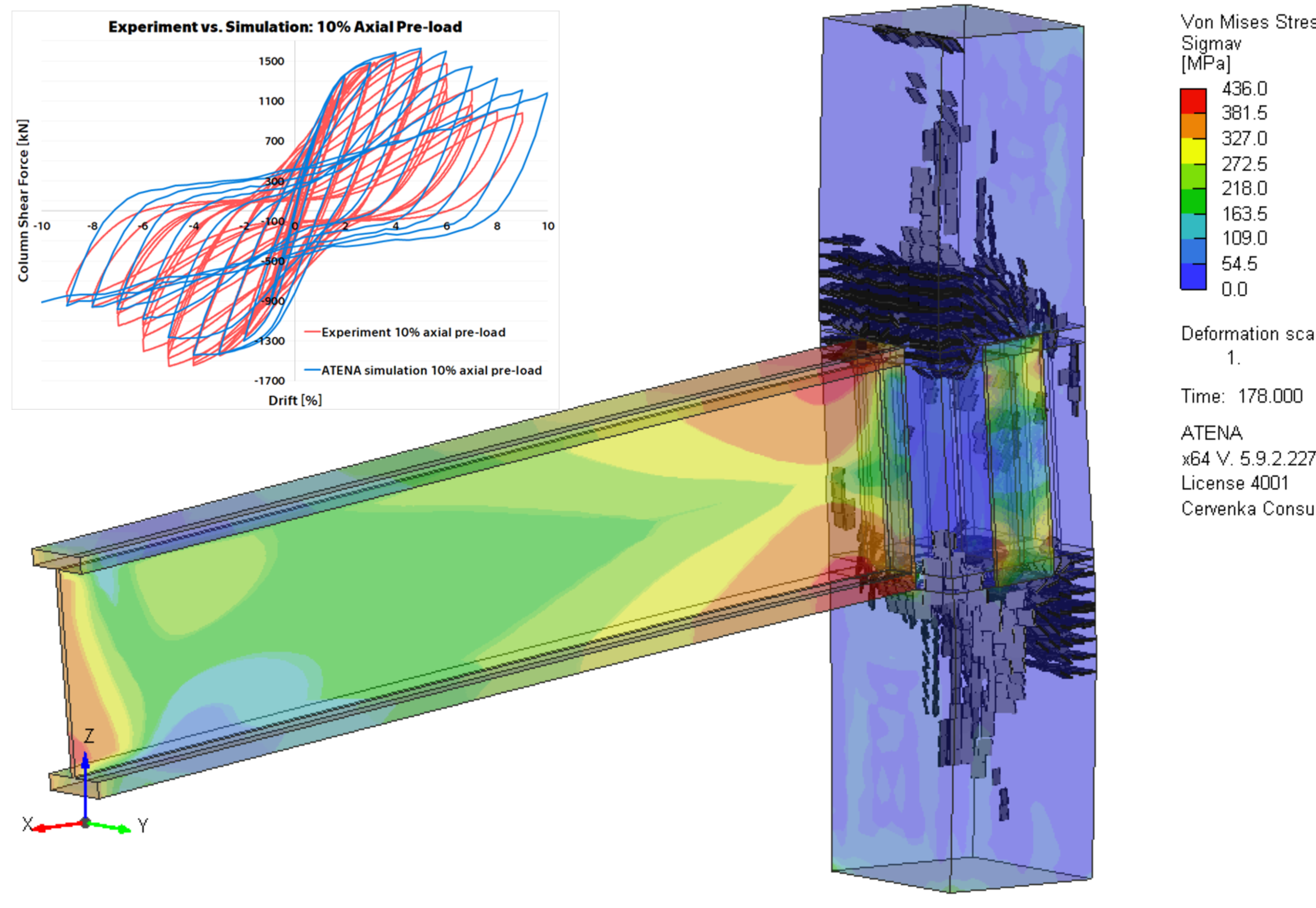
Fig.5: ATENA cycling modelling is further improved and supports parametric input generation using enhanced Python scripting support.
|
Success Stories
Purdue University - Blind Prediction Competition Results
Seismic Testing on Full-Scale Two-Story RC Structures At the Bowen Laboratory, Purdue University, West Lafayette, Indiana, USA
ATENA software took part in a blind prediction regarding the behavior of two full-scale two-story reinforced concrete structures: one featuring retrofitting at the beam-column joints, and the other without any retrofitting in “as-built” condition. The retrofitting entails steel haunches attached to the structure using post-installed adhesive anchors with fischer injection mortar FIS EM Plus 390 S. In the literature this retrofitting technique is known as the Fully Fastened Haunch Retrofit Solution and is tested for the first time on 3D structural level under seismic loads. |
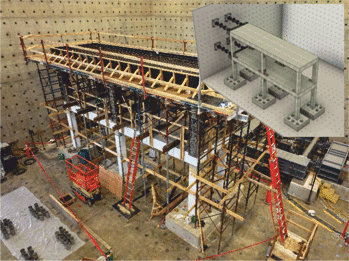
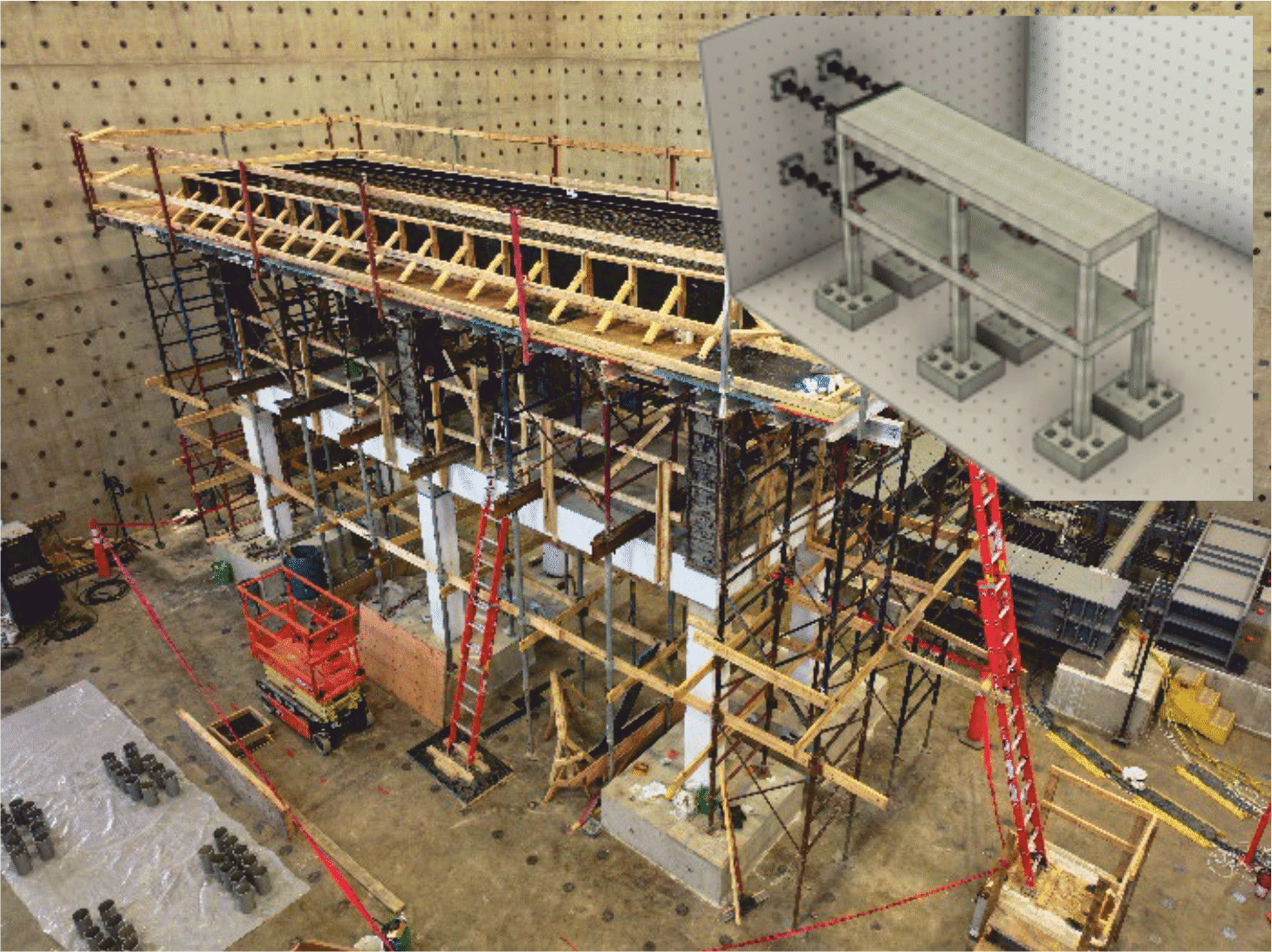
Fig.6: View of the experimental setup of the full-scale two-story reinforced concrete frame of the Purdue blind prediction competition.
|
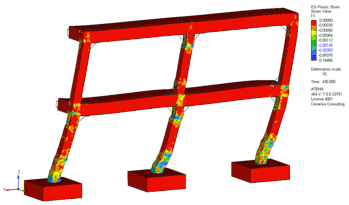
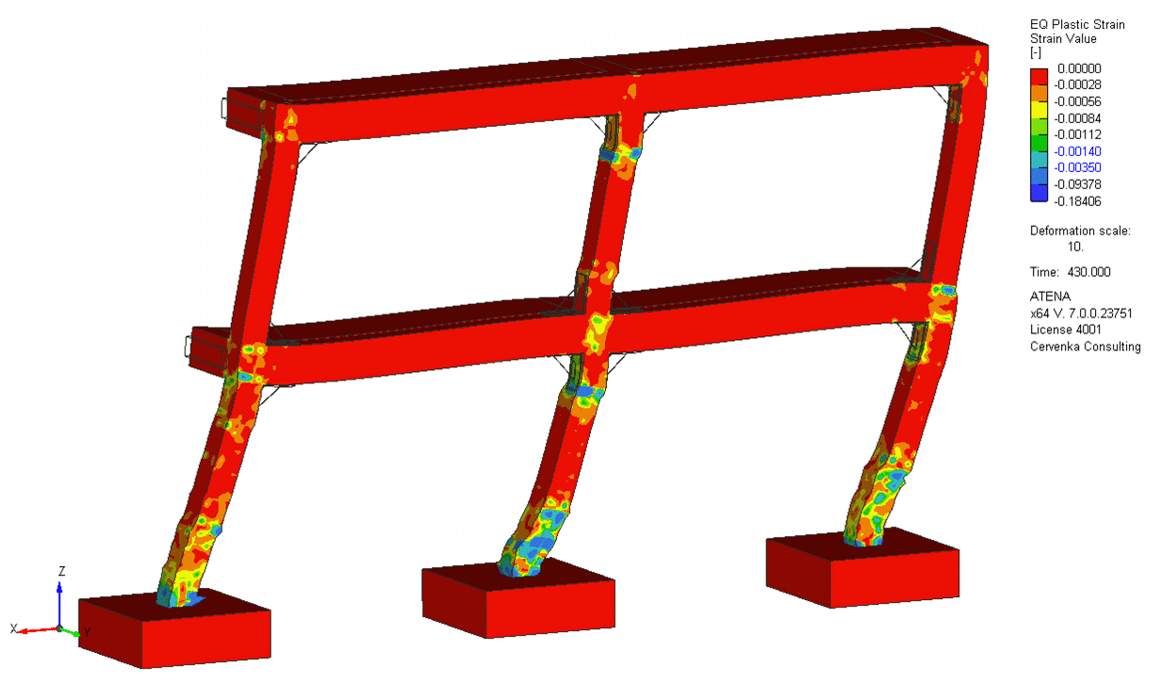
Fig.7: Deformed shape and areas of concrete crushing in ATENA analysis of the retrofitted reinforced concrete frame.
|
These test specimens comprised two longitudinal spans and one transverse span. Each structure had stand two stories tall. Hydraulic actuators applied one-way lateral loading on each floor, with four of them simulating seismic loading. The primary objective of this experiment was to observe how the steel haunches change the seismic performance of the structure with respect to the one in as-built condition.
The team from the University of Minnesota, represented by Prof. Benjamin Worsfold and Jack Chapin, successfully used ATENA in the Blind Prediction Competition. Thanks to their thorough analysis and effective use of ATENA, the University of Minnesota team earned a well-deserved second place in this demanding and highly technical competition. |
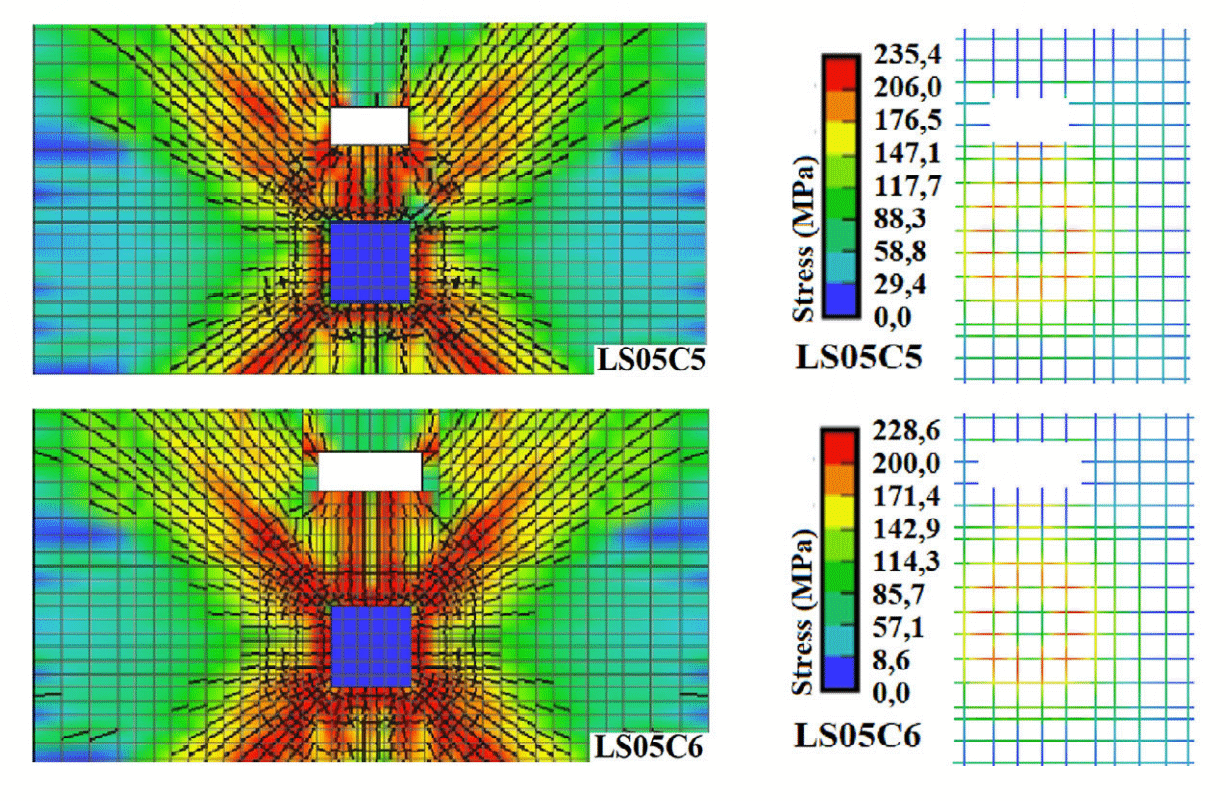
On the behavior of flat slabs with asymmetric openings near columns: A hypothesis based on numerical simulations and design code-based analytical models
Authors: Ricardo de Paula Randi, Marília Gonçalves Marques, Leandro Mouta Trautwein, Antonio Pinho Ramos from University of Campinas and Federal University, Brazil and University NOVA of Lisbon, Portugal. DOI: 10.1002/suco.70316 |
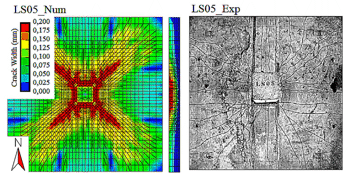
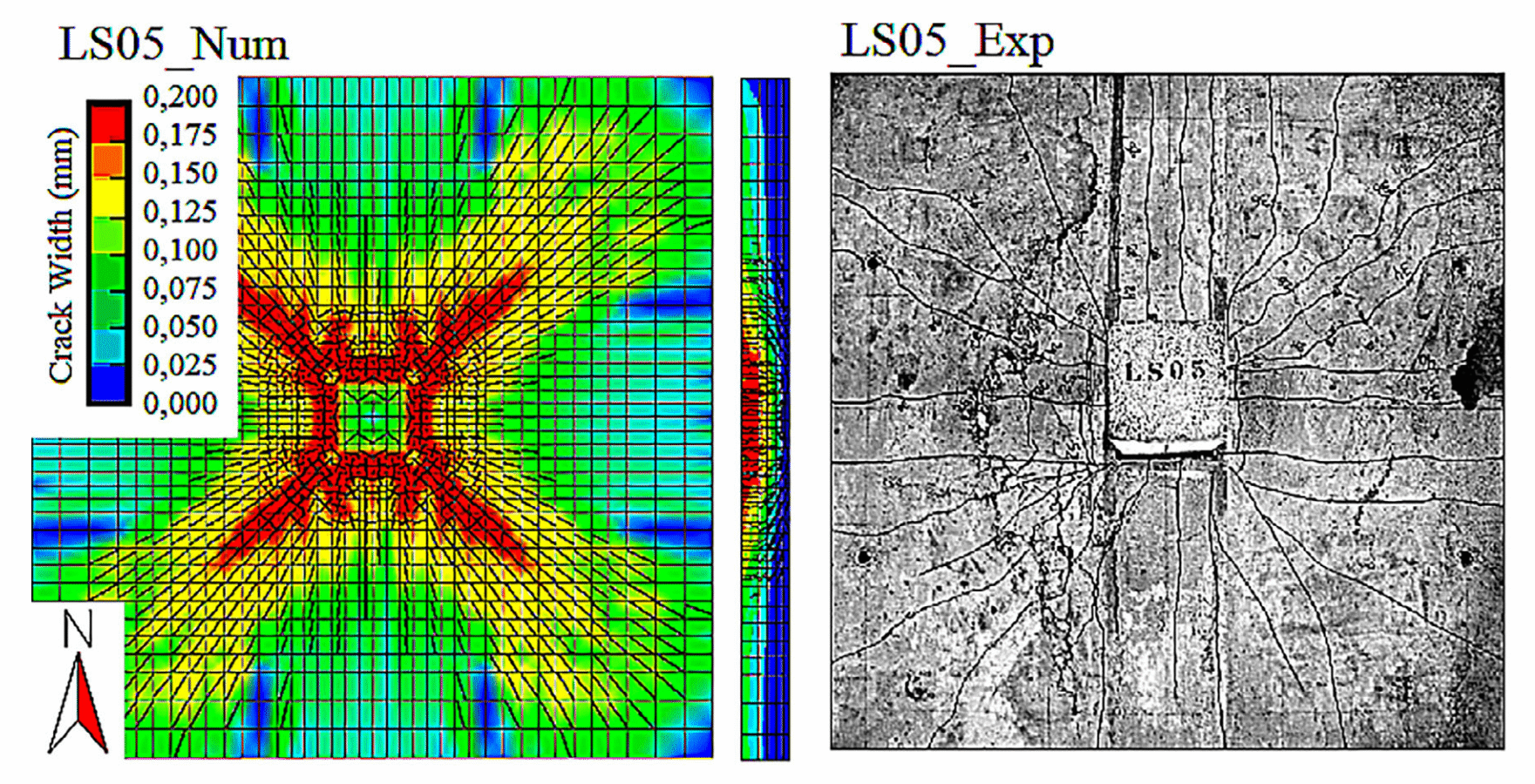
Fig.8: Cracking patterns and failure planes.
|
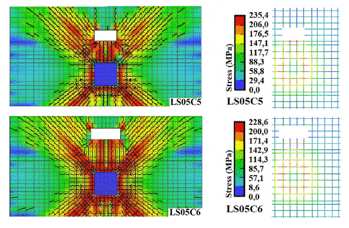
Fig.9: Crack patterns and average stresses of the flexural reinforcements.
|
This paper presents a parametric numerical analysis to assess the punching shear capacity predictions of four design codes for slabs with asymmetric openings. Various opening configurations are considered, with the control perimeter held constant in some cases.
Based on the results, a behavioral hypothesis is proposed, considering the following observations: (i) asymmetry can be approximated as an eccentricity, though this has limited applicability; (ii) the contribution of interrupted reinforcement significantly affects the slab's performance, as does the opening width.
The proposed hypothesis is intended to provide a preliminary framework for guiding future studies addressing the behavior of slabs with asymmetric openings. |
Short Course on Alkali Aggregate Affected Structures
|
We were pleased to host a short course organized in cooperation with Prof. Victor Saouma (X-Elastica, University of Colorado, Boulder, USA) and leading experts from industry and academia in Europe, the U.S., and Canada:
Management of Alkali Aggregate Affected Structures: Analysis, Performance & Prediction
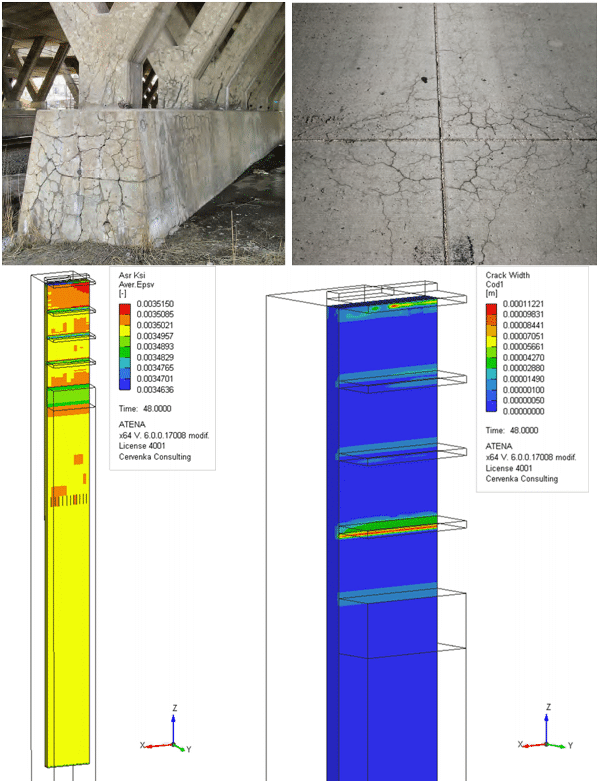
Held on October 27–29, 2025, the course explored cutting-edge strategies for diagnosing and managing Alkali–Aggregate Reaction (AAR) in concrete infrastructure, including advanced modeling and analytical techniques.
Through a combination of theoretical insights, laboratory methods, and computational modeling—especially finite-element analysis—the course was tailored for professionals overseeing the preservation and performance of critical structures.
Designed for professionals responsible for the durability and performance of essential infrastructure, the course successfully blended practical guidance with the latest research. |
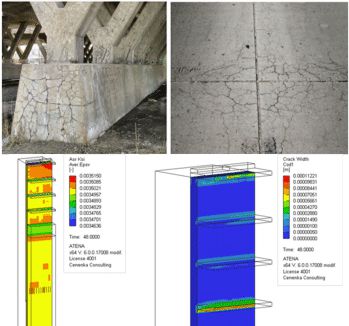
Fig.10: Examples of AAR damaged structures and ATENA modelling of AAR affected reinforced concrete diaphragma wall.
|
Upcoming ATENA Webinars
|
1. Scripting and Python programming in ATENA
Introduction to ATENA scripting and incorporation of Python programming in ATENA Preprocessor.
2. Simulation of the construction process
The construction process is described in detail regarding material assignment and loading history capturing the actual process.
3. Modelling and simulation of 3D printing of concrete structures
3D printing is one of the emerging technologies in the construction industry. ATENA offers several approaches to the modelling of 3D printed concrete structures, which will be discussed in detail in this webinar using the new ATENA 2026 version.
4. Various examples of the strengthening of the concrete structure
There are various ways how to strengthen existing structures. Examples of strengthening with various materials are introduced including the way to attach them to the original structure.
5. Tips how to model experiment in ATENA
An example of modelling an actual experiment is introduced with helpful tips and important steps during analysis. |
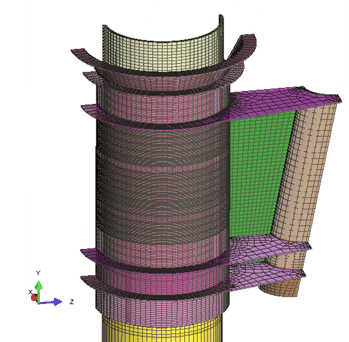
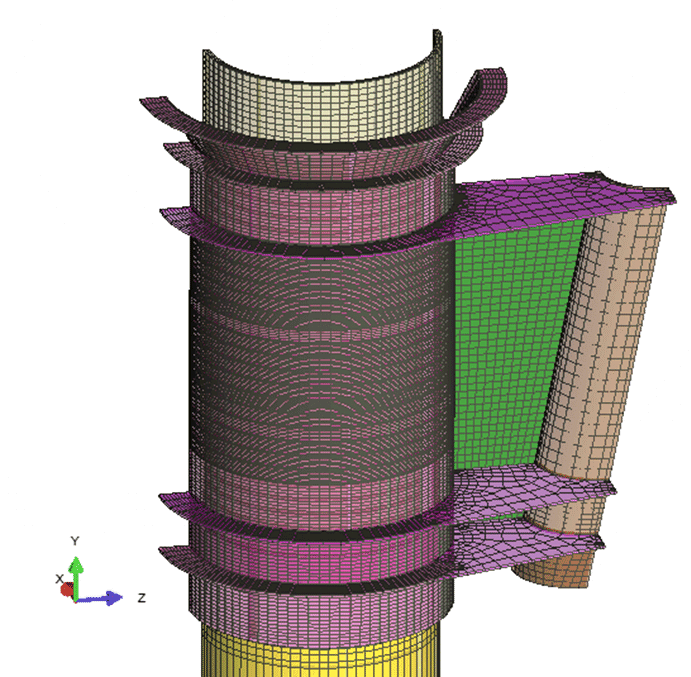
Fig.11: An example of grouted connection model with combined mesh in ATENA 2025 preprocessor consisting of regions with structured mesh and extruded mesh options.
|
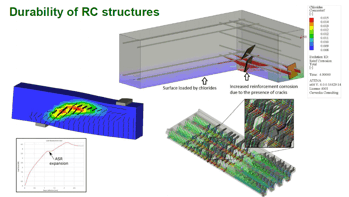
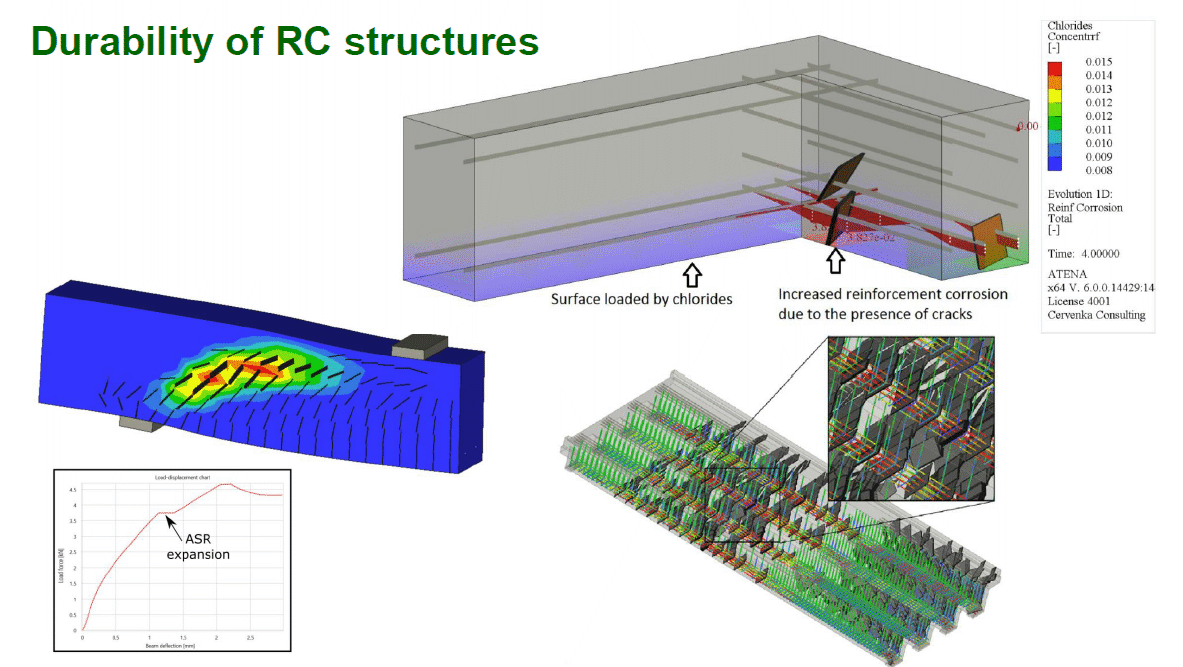
Fig.12: Slides from the previous webinar on durability models in ATENA for chloride, carbonation, reinforcement corrosion and AAR.
|
6. Modelling of cyclic loads
Step-by-step procedure on how to develop the model with cyclic loads and the effect of fatigue.
7. Introduction to material models in ATENA and their applications
ATENA provides various material models. Introduction and some parameters setting is shown with tips and examples of their application.
The exact time and date will be announced on our website.
The ATENA 2025 previous webinars you can found on YouTube channel here. |
Where You Can Meet Us
|
November 27-28, 2025
Concrete Days
Litomyšl, Czech Republic
Event website
March 9-12, 2026
EURO-C 2026
Seefeld in Tirol, Austria
Event website
March 18-19, 2026
Brückenbausymposium
Dresden, Germany
Event website
March 29 - April 1, 2026
ACI Spring Concrete Convention
Rosemont/Chicago, IL, USA
Event website
March 23-24, 2026
International Symposium Bridges 2026
Brno, Czech Republic
Event website |
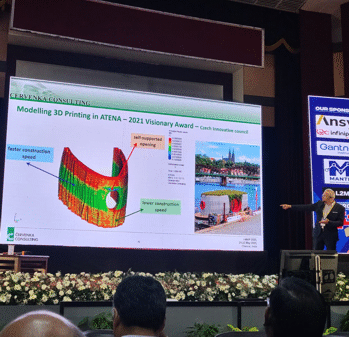
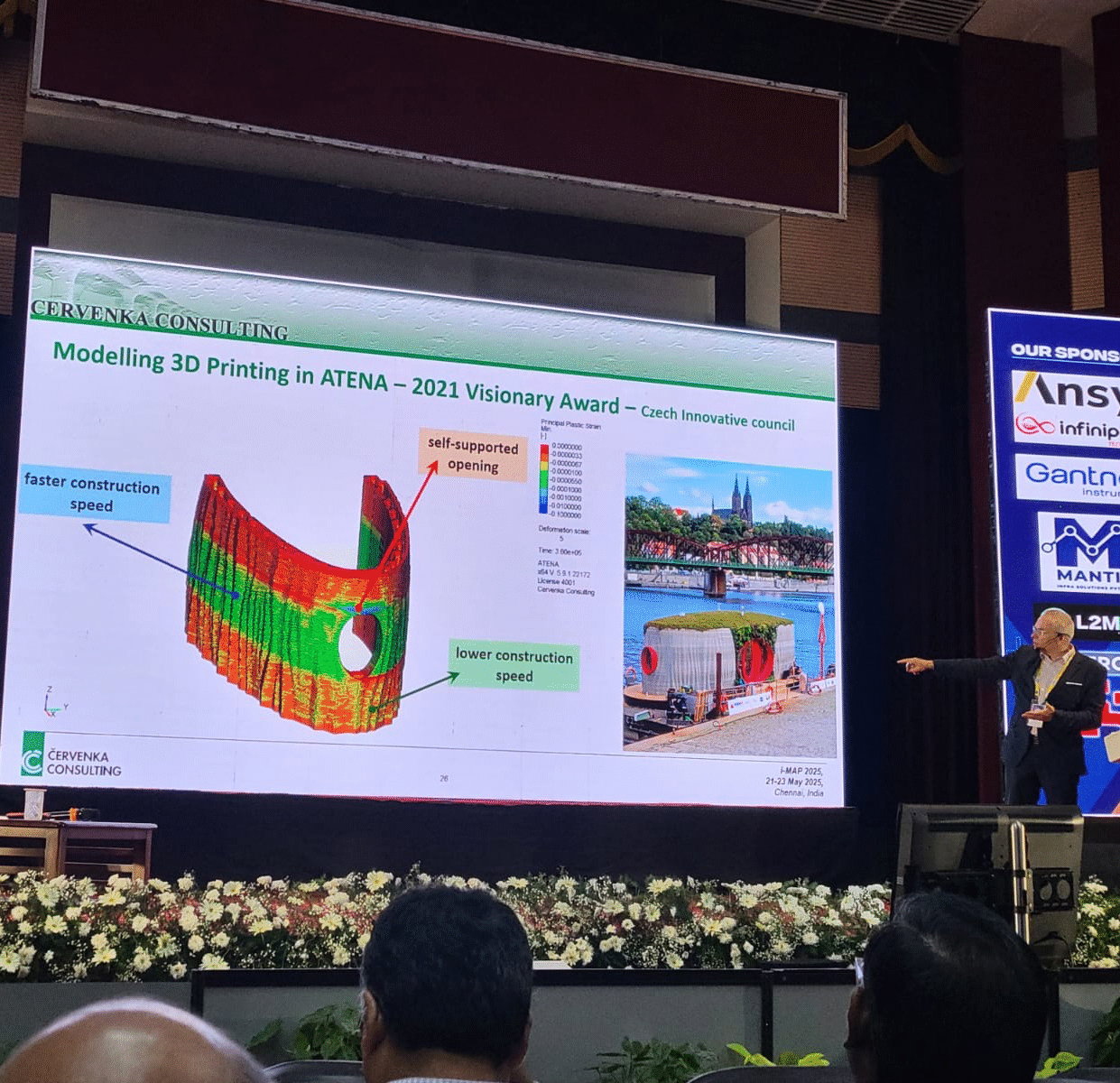
Fig.13: ATENA presentation by Jan Cervenka during i-MAP 2025 Conference in Chennai, India.
|
Recent ATENA Articles
|
BARROS, J. A. O., SANZ, B., FILHO, M., KABELE, P., YU, R. C., MESCHKE, G., PLANAS, J., et al. „Blind Competition on the Numerical Simulation of Slabs Reinforced with Conventional Flexural Reinforcement and Fibers Subjected to Punching Loading Configuration", Structural Concrete 26, č. 1 (2025): 385–424, https://doi.org/10.1002/suco.202400061
BOCAN, P., CERVENKA, J. , HERZFELDT, M., Model Uncertainty in Nonlinear Analysis for Digital Twins for the Assessment of Nuclear Containments, 28th International Conference on Structural Mechanics in Reactor Technology Toronto, Canada, August 10-15, 2025
CERVENKA J., AHMAD M., RYMES J., JENDELE L., Efficient Macro-scale Models for Reinforcement Corrosion Modelig in Reinforced Concrete Structures, 12th International Conference on Fracture Mechanics of Concrete and Concrete Structures, FraMCoS-12, April 23-25, 2025, Vienna, Austria
CERVENKA V., CERVENKA J., RIMKUS A., GRIBNIAK V., Finite Element Modeling of Crack Width and Localization in
Reinforced Concrete, Buildings 2/2025, https://doi.org/10.3390/buildings15040529
CERVENKA, J., MARIK, R., DRAHY, V., JANDA, Z., KOVAR, J., AI Based Surrogate Model for Digital Twins in Reinforced Concrete, 5th International RILEM Conference on Numerical Modeling Strategies for Sustainable Concrete Structures, SSCS2025, July 7 –9, 2025, Delft University of Technology, Rotterdam, The Netherlands
CERVENKA J., RYMES J., AHMAD M., JENDELE L., Modelling of durability and corrosion in nonlinear analysis of reinforced concrete structures, 30. International Symposium BRIDGES 2025, April 24–25, 2025, Brno, Czech Republic
HERZFELDT, M., CERVENKA, J., STEMBERK, P., Neutron radiation effect on concrete mesoscale samples and concrete structures, 28th International Conference on Structural Mechanics in Reactor Technology Toronto, Canada, August 10-15, 2025
JENDELE L., RYMES J., CERVENKA J., HERZFELDT M., Time dependent modelling of concrete for the simulation of 3D printing, 16-18 June, 2025, fib Symposium, Antibes, France
KOVAR J., CERVENKA J., LEHKY D., NOVAK D., CERVENKA V., FE Modelling of Crack Width in Reinforced Concrete Beams Supported by Artificial Neural Network Surrogate Models, 12th International Conference on Fracture Mechanics of Concrete and Concrete Structures, FraMCoS-12, April 23-25, 2025, Vienna, Austria
REHOUNEK, L., ZENISEK, M., Numerical Simulation and Model Validation of Multispiral-Reinforced Concrete Columns’ Response to Cyclic Loading, Buildings 2025, 15(21), 3855, https://doi.org/10.3390/buildings15213855 |
|